

Stepping into your home, do you ever pause to consider its impact on the planet? For many homeowners, understanding what is a sustainable home is the first step towards creating a space that nurtures both family and environment. It’s more than just recycling; it’s about making mindful choices in everything from the materials that surround us to the energy we consume, creating a haven that truly aligns with eco-conscious values.
Understanding the Pillars of a Sustainable Home
A sustainable home isn’t a rigid concept but rather a philosophy centered on minimizing environmental impact while maximizing comfort and well-being. It encompasses a holistic approach to living, touching on material sourcing, energy consumption, waste reduction, and even the health of indoor air. It’s about building a conscious nest, a place where every item, every choice, contributes to a healthier planet and a more harmonious life. It’s an ongoing journey, not a destination, encouraging continuous improvement and thoughtful engagement with our living spaces.
The Heart of the Home: Sustainable Materials
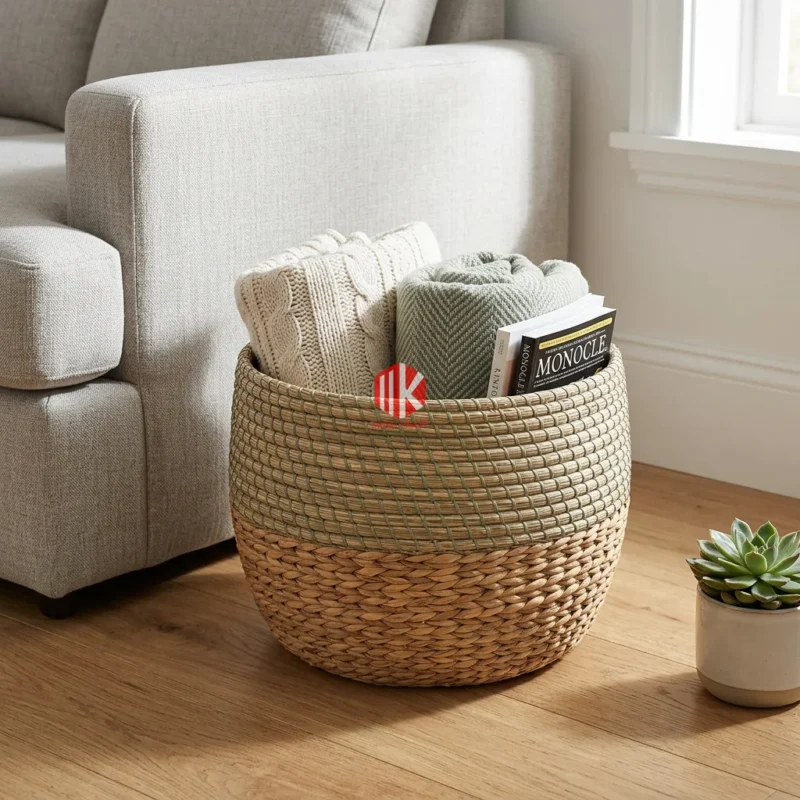
At the core of any eco-friendly dwelling are the materials used in its construction and decoration. In our Meko Craft workshop, we see firsthand the beauty and resilience of natural fibers like water hyacinth, seagrass, bamboo, and rattan. Unlike synthetic alternatives, these materials are renewable, biodegradable, and often require less energy to process. For instance, water hyacinth, often considered a pest in waterways, transforms into incredibly durable and beautiful handwoven decor when carefully harvested and dried. We’ve learned that understanding the natural properties of these fibers – how water hyacinth develops a rich patina over time, or why rattan needs specific humidity levels to prevent cracking – is key to creating pieces that last. Opting for items made from natural fibers not only supports ecological balance but also introduces unique textures and warmth into your living space, enhancing its overall aesthetic and connection to nature. For example, choosing handwoven storage solutions like our natural baskets can significantly reduce plastic use.
Energy Efficiency and Smart Living
Reducing energy consumption is a cornerstone of sustainable living. This goes beyond simply turning off lights. It involves optimizing your home’s insulation, utilizing energy-efficient appliances, and harnessing natural light and ventilation. Smart thermostats can learn your habits and adjust heating and cooling accordingly, preventing unnecessary energy waste. Consider installing solar panels for renewable energy or choosing LED lighting, which consumes significantly less power and lasts longer than traditional bulbs. Even small changes, like sealing drafts around windows and doors, can make a substantial difference in your home’s energy footprint and your utility bills. Embracing energy efficiency helps lower your carbon emissions, contributing to a healthier planet for future generations.
Reducing Waste: A Mindful Approach
Waste reduction is another critical element in creating a truly sustainable home. This involves a multi-faceted approach:
- **Recycle Diligently:** Separate plastics, paper, glass, and metals according to local guidelines.
- **Compost Organically:** Transform food scraps and yard waste into nutrient-rich soil for your garden.
- **Minimize Single-Use Items:** Opt for reusable bags, water bottles, and coffee cups.
- **Choose Durable Products:** Invest in high-quality, long-lasting items rather than disposable ones. In our workshop, we focus on crafting pieces designed for longevity, ensuring they serve your home for years.
- **Repair, Don’t Replace:** Before discarding a broken item, consider if it can be fixed.
By consciously reducing what goes into landfills, you lessen the burden on our planet and encourage a more circular economy.
Connecting with Nature: Indoor Greenery and Outdoor Spaces
Bringing nature into your home and cultivating green outdoor spaces significantly enhances sustainability and well-being. Indoor plants naturally filter the air, removing toxins and increasing oxygen levels, contributing to a healthier living environment. They also add a calming, aesthetic touch. For your outdoor areas, consider creating a pollinator-friendly garden with native plants, reducing the need for excessive watering and chemical pesticides. Harvesting rainwater for irrigation or planting shade trees to reduce cooling costs are excellent ways to integrate sustainable practices. Even a small balcony garden can make a difference, fostering a deeper connection to the natural world right outside your door.
Supporting Ethical Production and Local Artisans
Part of building a sustainable home involves making conscious purchasing decisions. When you choose artisan-made goods, especially those crafted from natural fibers, you’re not only investing in unique, high-quality pieces but also supporting ethical production practices and local communities. Every handwoven basket or tray crafted here in the Mekong Delta represents the skill and dedication of our artisans. We prioritize fair wages, safe working conditions, and sustainable harvesting of our materials. This commitment ensures that the beautiful items you bring into your home have a positive story, free from exploitative labor or environmental damage. It’s about understanding the journey of your decor, from raw material to finished product, and knowing it contributes to a better world.
Making the Shift: Practical Steps for Every Homeowner
Embarking on the journey to a more sustainable home doesn’t require a complete overhaul overnight. Start small and build momentum. Here are some practical steps to begin your transition:
- **Audit Your Space:** Identify areas where you can easily swap out unsustainable items, like replacing plastic storage with natural fiber baskets.
- **Research Your Purchases:** Before buying, look for brands with transparent sourcing, ethical production, and eco-friendly certifications.
- **Embrace DIY:** Learn to repair items, upcycle old furniture, or even make your own cleaning products to reduce chemical exposure and waste.
- **Educate Your Household:** Involve family members in the process, making it a collective effort to conserve resources and reduce your environmental footprint.
Every conscious decision, no matter how small, adds up to a significant positive impact on your home and the planet.
Frequently Asked Questions
What is the easiest first step to make my home more sustainable?
A great starting point is to focus on energy efficiency. Replace incandescent light bulbs with LEDs, unplug electronics when not in use, and improve insulation where possible. These changes are often affordable and yield immediate savings while reducing your carbon footprint.
Are sustainable products more expensive?
Initially, some sustainable products might have a higher upfront cost, but they often offer better durability, energy efficiency, and a longer lifespan, leading to savings in the long run. Consider the total cost of ownership rather than just the purchase price.
How can I find truly eco-friendly home decor?
Look for decor made from natural, renewable, or recycled materials like bamboo, water hyacinth, recycled glass, or reclaimed wood. Prioritize artisan-made, handwoven items from brands transparent about their sourcing and production practices. Avoid fast-fashion decor.
Can I have pets and still maintain a sustainable home?
Absolutely! Choose eco-friendly pet supplies like biodegradable waste bags, natural fiber pet beds, and organic pet food. Look for durable, non-toxic toys and consider making your own pet treats. Regular grooming can also reduce shedding and allergens.
If you’re drawn to the warmth and integrity of handwoven pieces that tell a story of craftsmanship and sustainability, we invite you to explore the Meko Craft collection. We also offer wholesale options for businesses seeking to offer truly sustainable home decor.
About Meko Craft
Meko Craft is a handicraft workshop in the Mekong Delta, Vietnam, where local artisans handweave water hyacinth, seagrass, rattan, bamboo and palm leaf into home decor exported to the US, EU, Australia and Japan. Every technique described in our articles comes from daily practice on the workshop floor. For wholesale inquiries (MOQ from 100 pcs, lead time 55-60 days), request a quote here.
